
Quality Commercial Contractors | Newman Homes
Most local commercial work involves a small building owned by the person running the business inside it.
- 25+ years in construction, building as Newman Homes since 2017
- Over 200 projects completed in Central Maine
- Affordable work, two-year written warranty
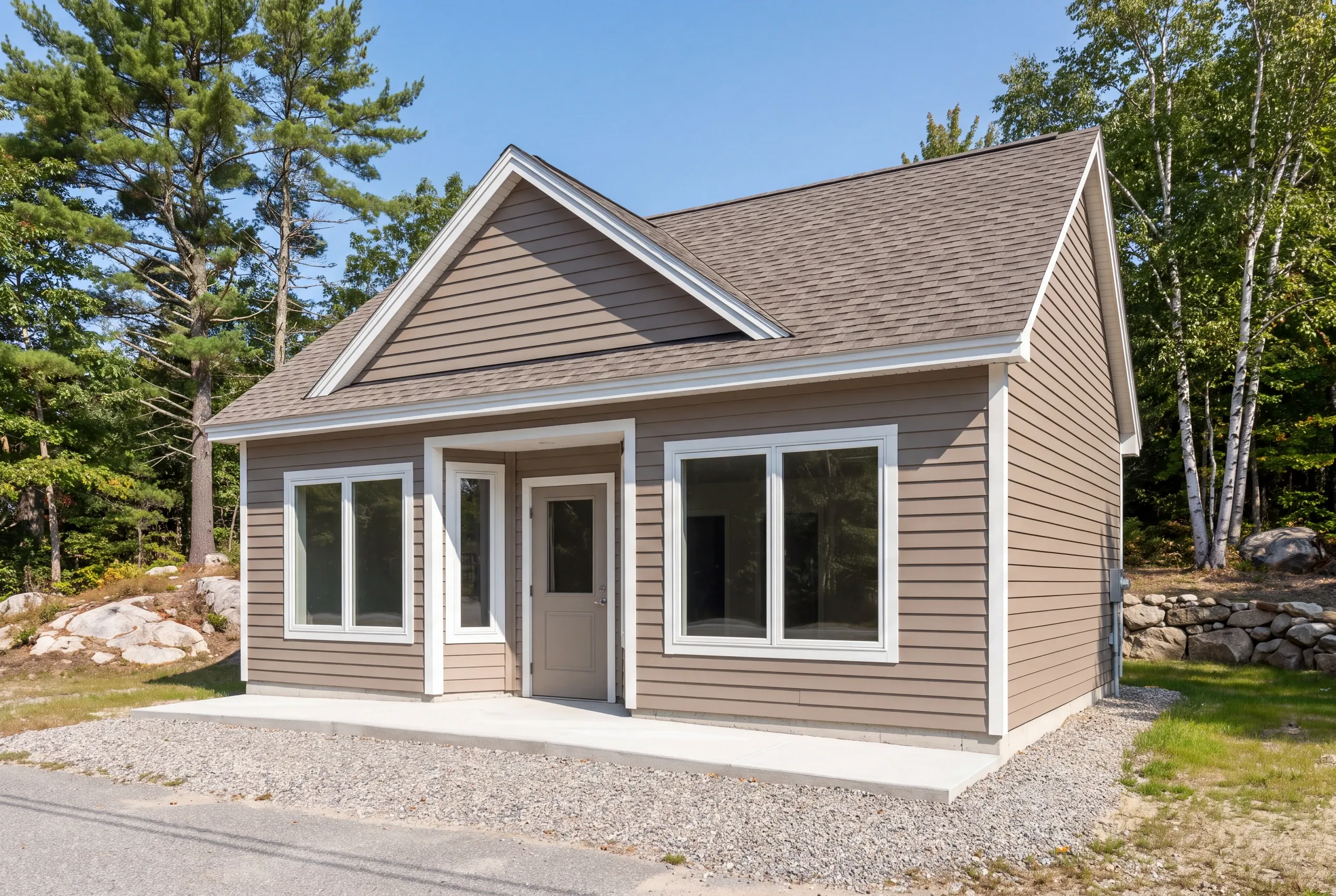
Newman Homes takes on small commercial and multi-family construction in Augusta and Waterville: ground-up buildings, tenant fit-ups, and renovations of buildings that are already working.
Most commercial work around here is a small building owned by the person running the business inside it, which makes it closer to residential than to a bonded general contract. The difference that actually matters is schedule. A house that runs two weeks long is an inconvenience. A storefront that runs two weeks long is two weeks of no revenue.
That is why this page is about schedule certainty rather than square-foot rates. Commercial scopes vary too widely to price by name, so there is no published band here, and the page says so instead of inventing one.
What We Take On
What we do not take: ground-up commercial construction, multi-story steel, and projects that need a bonded general contractor. Saying so up front is worth more to you than a bid we would struggle to deliver.
- Tenant fit-ups. Turning a shell or a former use into the space a business actually needs, on a schedule tied to a lease date.
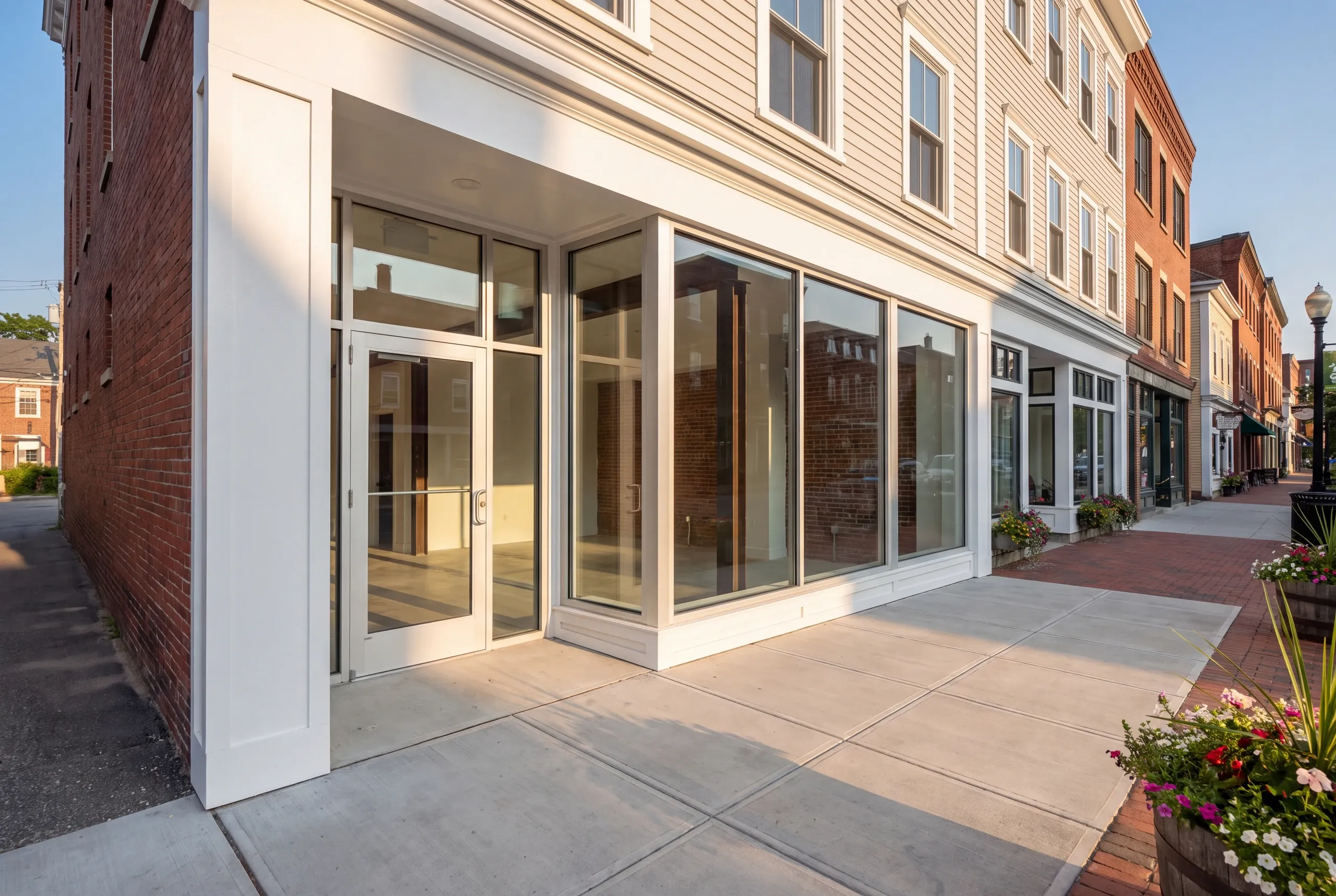
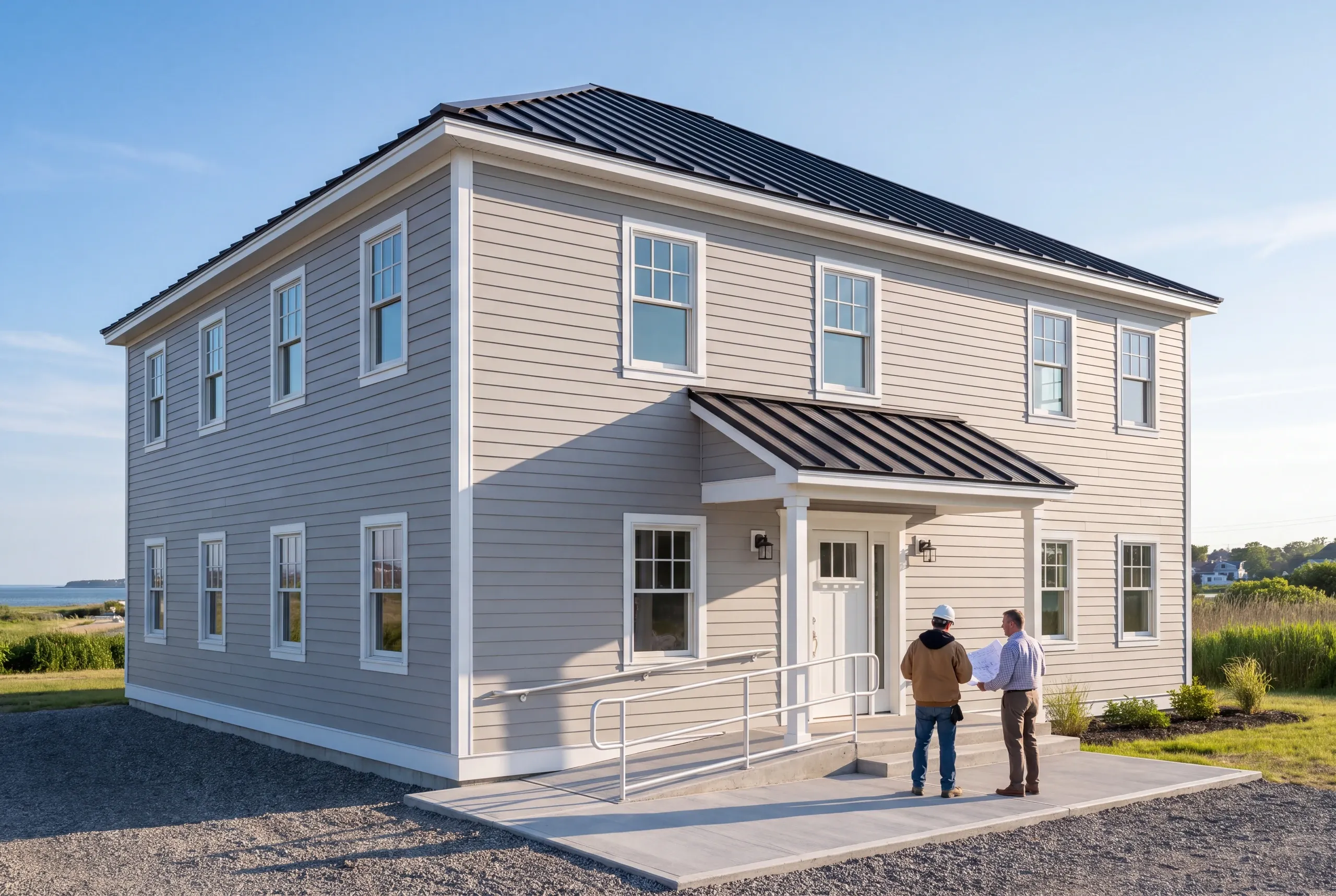
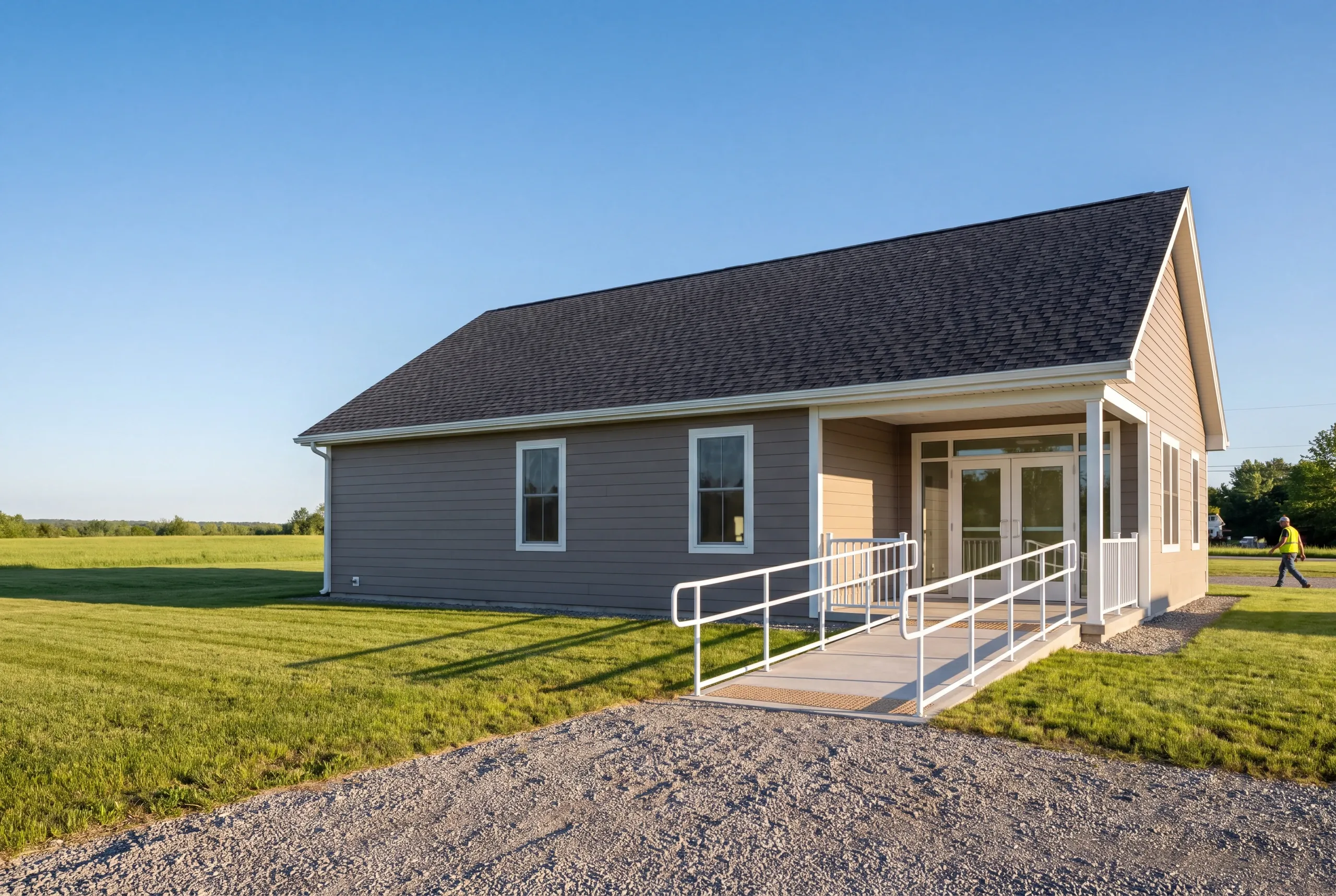
- Storefronts and entries. Including accessible entrances, which is where a lot of older downtown buildings are out of step.
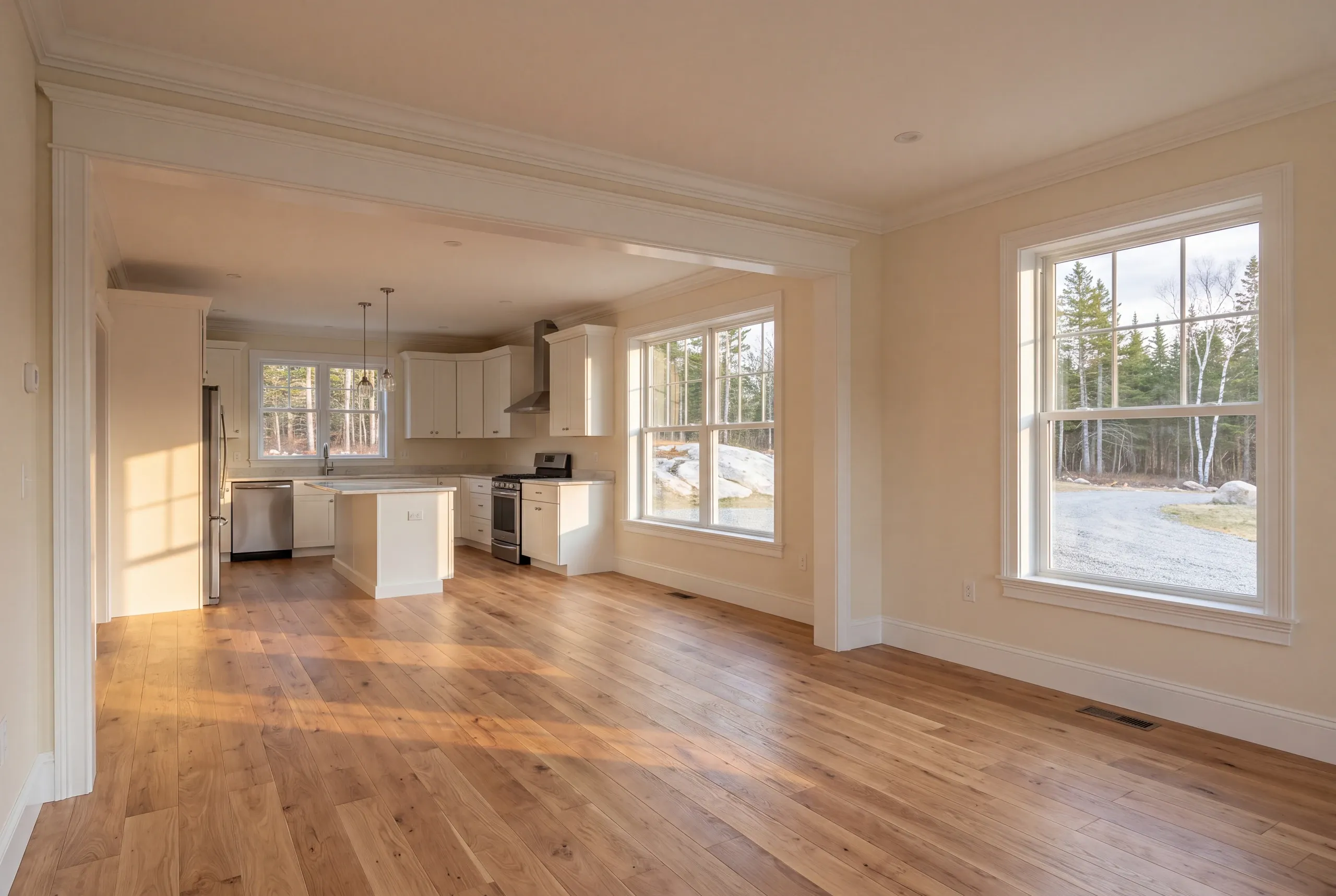
- Offices and interior build-outs. Partitions, ceilings, lighting, and the mechanical work behind them.
- Small additions and structural work. Beams, openings, and load paths on buildings that were framed for a different use.
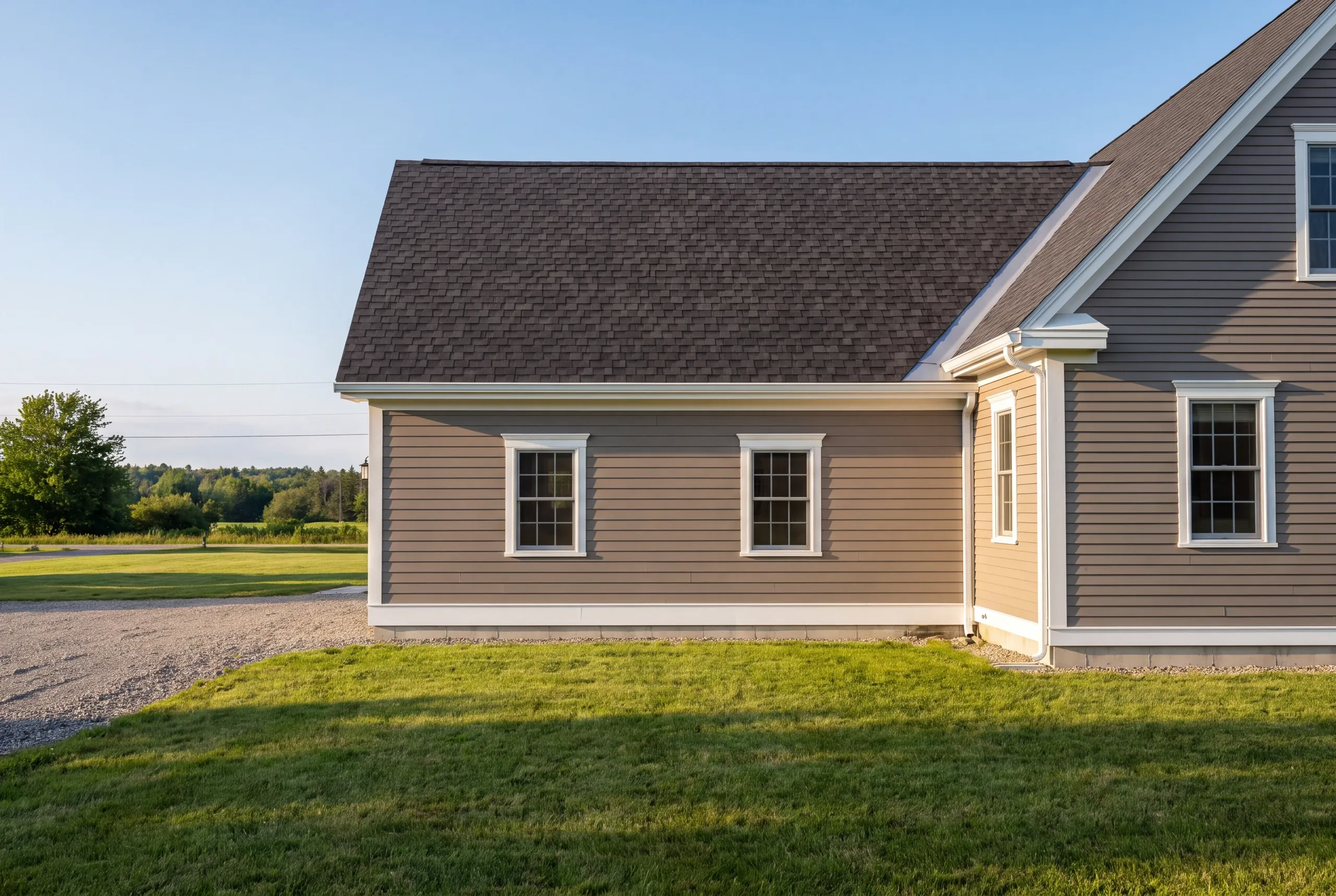
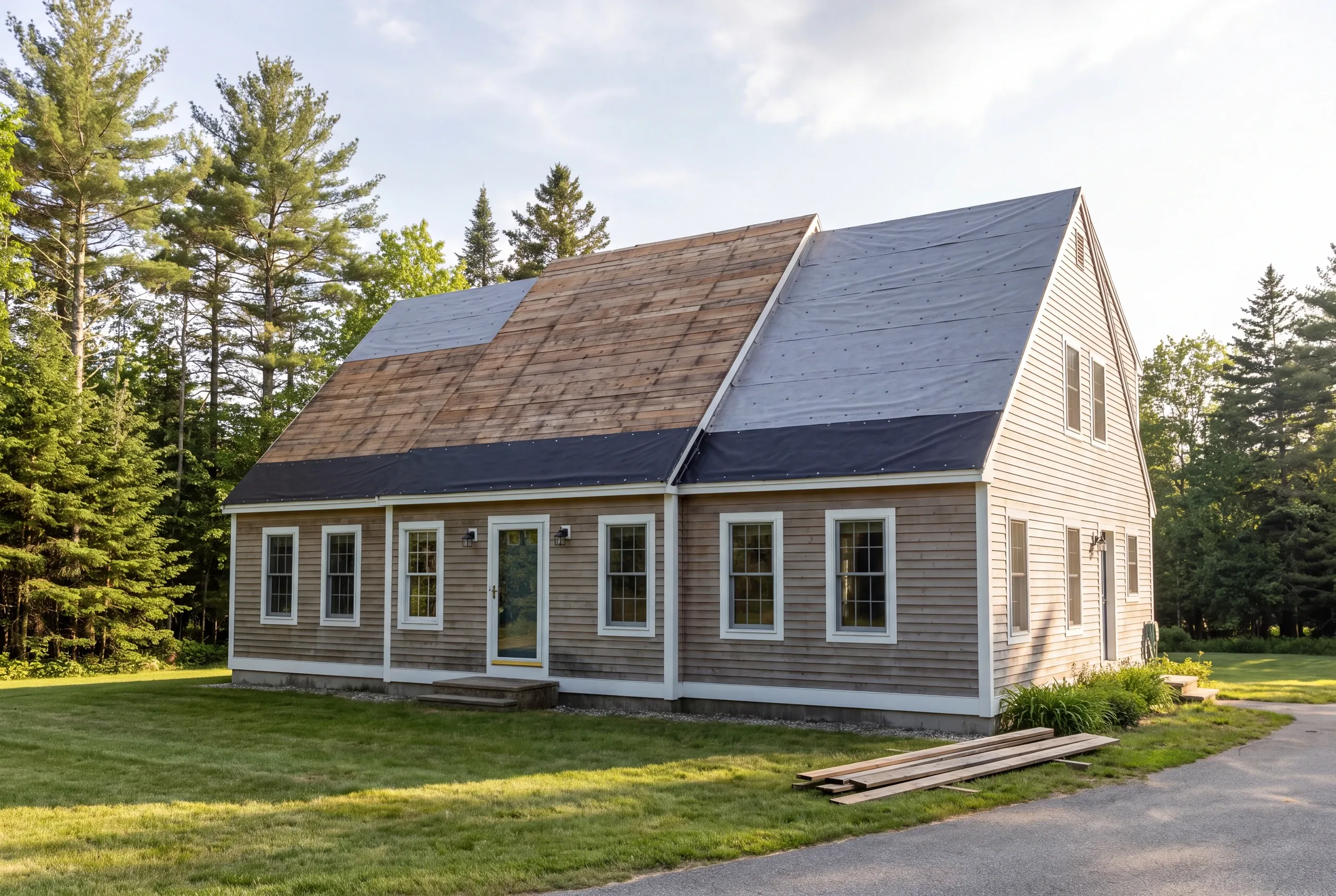
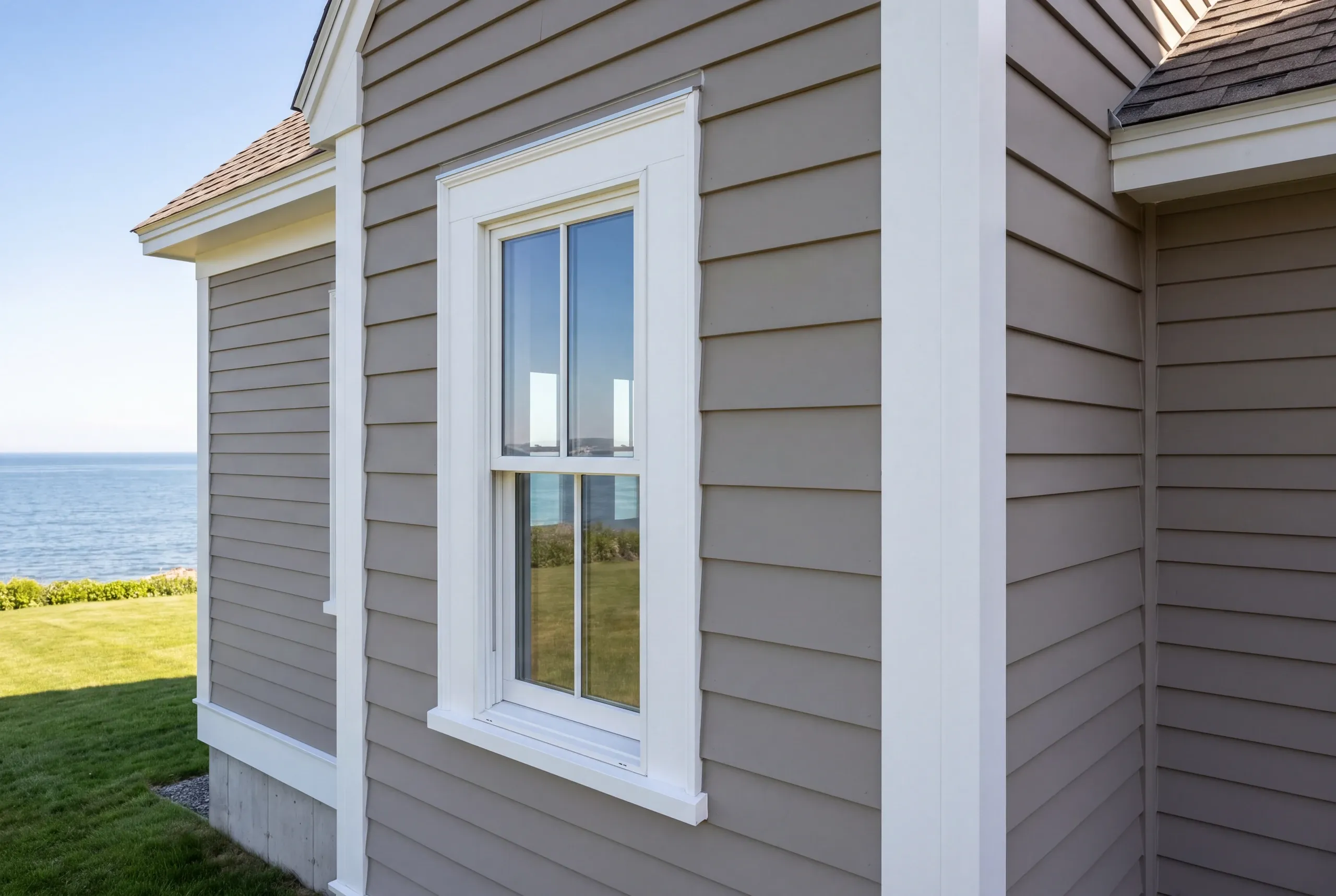
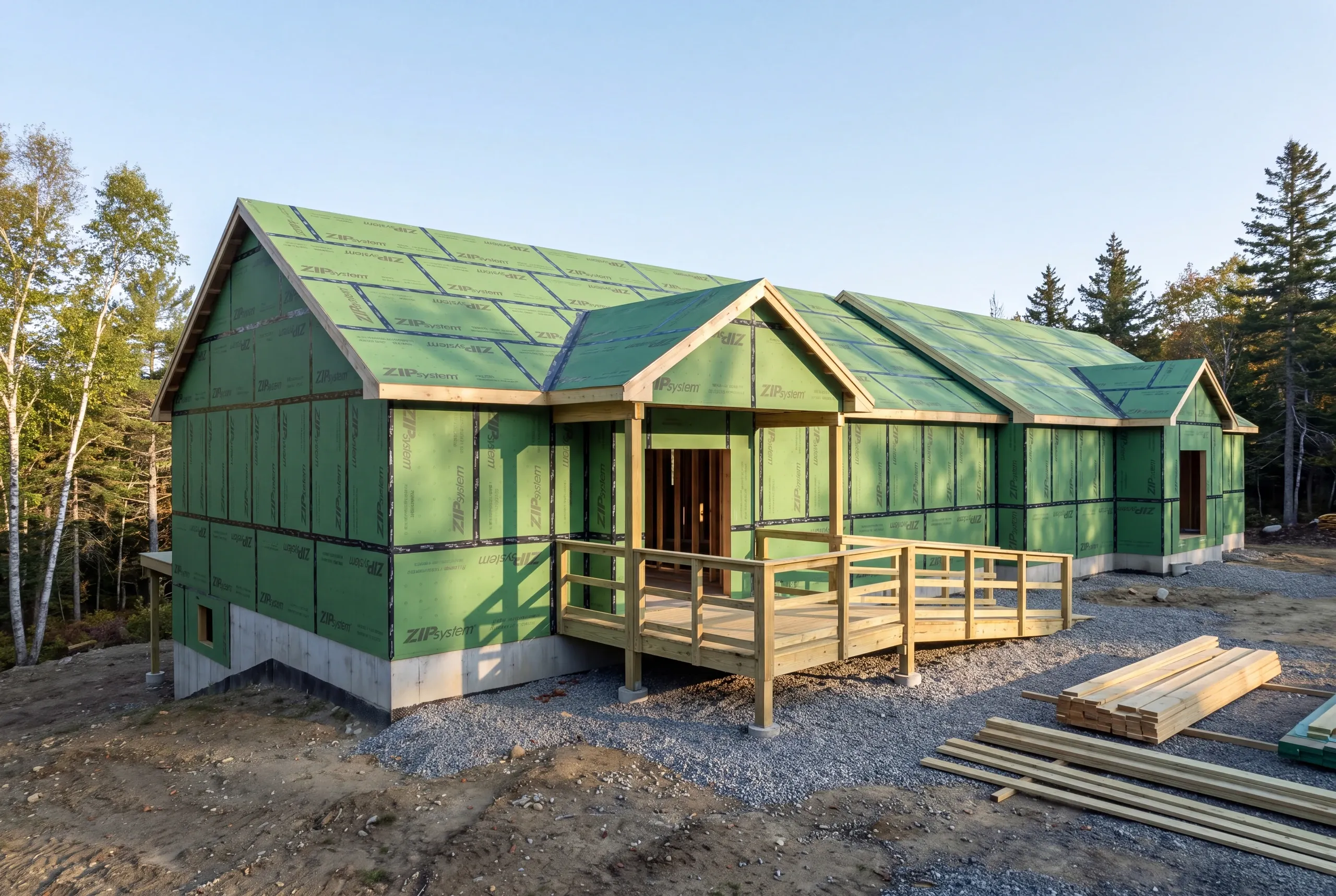
- Roofing and siding. The same crews and the same spec as our residential work, scaled up.
- Building envelope repair. Sills, sheathing, windows, and water problems on older commercial stock.
What homeowners say
Read more reviews- ★★★★★
Great company to work with. Very communicative and quick with the work.
Michael M. - ★★★★★
I was very impressed with the promptness and professional completion of the job. I have no complaints. Great company.
Marcia A. - ★★★★★
Brandon was always very fair with any adjustments to our fixed price contract, and we were quite happy with the outcome.
David K.
What Commercial Work Costs
We publish price bands for residential work because those projects repeat often enough to produce a useful average. Commercial work doesn’t.
A fit-up in a 1920s downtown block has little in common with a metal building on a highway lot. Neither resembles an accessible entrance on a converted house.
One figure covering those jobs would be meaningless.
Commercial jobs are priced per project after a walkthrough. We use the same itemized structure found in our residential contracts: each trade gets its own line, while every unknown carries a written allowance and unit price.
You get the number that matters on a commercial schedule: one that doesn’t move after work begins.
Related Services
What a Commercial Contractor Should Give You
Maine has no state licensing standard for general contractors, whether commercial or residential. Frankly, that surprises business owners more than homeowners.
The agreement has to do the work instead.
- An itemized scope, trade by trade, with allowances priced by the unit.
- A written schedule with milestones, and what happens to them if permit review runs long.
- Certificates of insurance at your lease or lender limits, confirmed with the carrier.
- A fixed price structured under Maine's contract law where the work qualifies as residential construction.
- A written workmanship warranty. Ours is 2 years, backed by an A+ BBB profile.
- Licensed electricians and licensed plumbers, named. Those two trades carry a real state credential in Maine.
How We Run a Commercial Job
Walkthrough with whoever is paying.
Owner, tenant, or both, so the scope reflects the actual constraint.
Code and occupancy questions first.
Change of use, accessibility, and egress get answered before design gets expensive.
Itemized contract with a schedule attached.
Milestones you can plan a lease or an opening around.
Permit and inspection.
We file and coordinate. The code authority decides what gets approved.
Build, with phasing if the business stays open.
Progress photos twice a week and same-day calls.
Final inspection, punch list, warranty.
Written, worked to zero, then 2 years of coverage.
What Is Different About a Commercial Job
The code is different. Commercial buildings fall under the commercial side of the Maine Uniform Building and Energy Code rather than the residential side, and occupancy classification drives a lot of what the design has to do.
Accessibility is a real scope item. On a change of use in an older building it is frequently the largest single unexpected line, and it is better found in week one than in the final inspection.
The schedule has money attached. A closed storefront is lost revenue, so phasing and after-hours work are worth discussing before the contract rather than after.
Insurance requirements are higher. Your landlord or lender will usually specify limits, and we provide certificates at whatever level the lease demands.
The code chapters most often applied to this work appear in the commercial building code of the MUBEC.
That’s the work we take. Tenant fit-ups and storefronts.
Offices. Small additions, plus roofs and siding on buildings where the person signing the contract loses money every week the space stays closed.
Newman Homes has operated from Augusta since 2017 under Brandon Roberge. He brings 25+ years of building experience across three states.
Measured monthly, 94% of our projects finish on the original schedule and budget.
On a commercial job, that 94% matters more than it does on a house because revenue depends on the schedule.
Common Questions
Often yes. Phasing and after-hours work cost more in labor and less in lost revenue, and that trade is yours to make.
No. We are a small shop and we say so rather than bidding something we would have to subcontract wholesale.
Small buildings and interior work. If a project is bigger than we should be running, we will tell you at the walkthrough.
We carry general liability and workers' comp and provide certificates. If your lease requires higher limits, tell us before the contract.
Talk to Brandon
Call (207) 480-7700. Someone answers around the clock, usually the owner.
Or write info@newmanhomesme.com. You can also request a free estimate.